Two and a half years!
That's how long since I last posted. Hey, i've been busy. I worked virtually non-stop over that time, but coronavirus took care of that.
What to do?
Make beer.
So after my last red ale effort which resulted in flat beer, I've finally decided to give it another go. My first red ale effort was arguably my best beer, so if it's anywhere close, it will be a delicious drop.
However, unhappy with the recipes I found on the net, i turned up at the brewshop with NFI what ingredients i wanted. All I knew was that I wanted to do a red ale. Flavoursome, but not too strong or burnt. So I looked at all the grains in the shop, and all the yeasts, relying on whatever old hops I had at home. Not equipped to do a full mash, partial mashes have served me well in the past, so that's what i'm going to make. Recently I've just done kits, sticking mainly to Coopers IPA, which is pretty much idiot-proof.
So as my base I selected 1kg of light malt extract and 1kg of dextrose which I tried to fool myself that I wouldn't use it all. As if! For my grains, i selected 250g of each of 2-row malt and 250g of Maris Otter, which was supposed to be Golden Promise, but I placed it on the list against the former. For my specialty malts, I selected 250g of Red Back Malt, and 250g of 60L Crystal Malt. I was going to select another red grain, but thought it might be unbalanced.
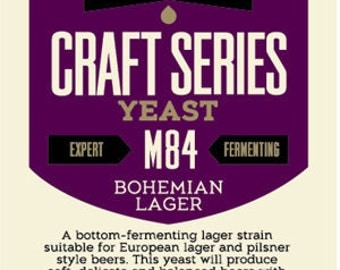
As for the yeast, I went with Mangrove Jack's Empire Ale Yeast from their Craft Series, which have served me well in the past (note to self - don't throw the used pack away before recording it and dumping used grain over it).
And for the first time, I used some Irish Moss at the end of the boil to clear up the beer. I don't give a rat's arse whether my beer is cloudy or not, but beer ignoramuses think it's weird, if ever I want to share some.
So after buying my stuff, i went home to see what hops i had. So i decided to use the last of my Spalt hops from 2017, and the last of my East Kent Goldings from 2018; 25g and 30g respectively. I only had aromatic hops left, which is not ideal, but I did my calculations and settled with an a bitterness profile of an estimated 33 IBU, however the age of the hops is likely to reduce the bitterness. I estimate my beer to be more like 30 IBUs, which is quite fine for this beer. I boiled the first two for 60 minutes, with a 5 minute boil of 30g of Cascade hops for aroma. I'm a big fan of Cascade hops, so it should add a moderate hoppiness to my beer, which is the most I'm prepared to add, as this is fundamentally a malty beer. I prefer to not overcomplicate my beers, making it either malty, hoppy or yeasty as the primary characteristic. Most recipes on the net have a ridiculous complexity that contains ingredients too small to make a difference. 5 different hops is just absurd, yet some people think complexity equates to better beer.
Anyway, it was a lot of work, but it's now in the fermenter and doing its thing. The original gravity was 1042, which is a bit lower than expected, but it should be right around the 5% mark, which is my ideal strength. After checking the original gravity, I had a little taste and the first thing that struck me was that the bitterness level seems just right. The ferment temperature is just right, now important since my beer fridge carked it a few months ago. An April temp hovering around 20C is just fine. I'll be drinking my most recent IPA until this beer is ready. I'll try and remember to post an update!
Monday, April 20, 2020
Sunday, November 19, 2017
Leffe Blond Clone
I knew I'd been lazy, but over one year since my last post? Oh, that's right, i posted a meme on my Facebook mirror site a few months ago, but that took about a minute and a half of my time. To be fair, though, beer blogging is a lower priority that actually making beer. Or actually drinking beer, for that matter.
Anyhow, here i am in between hop additions in my Leffe Blond clone mini-mash, and I figured I should post my vain attempt rather than write it on the white board for the kids to wipe off so they can write "Daddy's a poopy head" or something equally witty.
But this time is different, in more ways than one.
This time, I've done additional research, and made a few changes to try and get even a little bit closer to my target beer. And not a moment too soon, either, considering I'm attempting one of the greats.
For my last birthday, i received a very generous gift voucher, so I thought that I better buy something worthy of the occasion. It just so happened that a local bottle shop had a special on Leffe Blond, and I've been partaking on special occasions ever since (i.e. Fridays). It is truly a great beer. Its website describes Leffe Blond as having "hints of vanilla and clove infuse the beer with an even smoother flavour, which best expresses itself in a Leffe chalice, simultaneously allowing the soft, fresh essence of this beer to unveil its true elegance".
I'm sorry, but that just tempts me to chuck in some actual vanilla so I can say that it has overtones of vanilla. Hey, i don't care how it tastes like Leffe Blond, but if I get there, I'd be stoked. Anyway, a good scorer beats a good player, so they say. However, having my wort already cooling, I'm going to resist cheating. In that particular instance, at least.
Anyway, down to business. *Burp*. No, not that business, although the mystery beer I'm drinking due to the fact that I couldn't find a Sharpie is rather nice, whatever it is.
I originally planned to make my clone a little less alcoholic, due to the smaller margin of error when making stronger beers, but then i found some leftover Briess Bavarian Wheat dry malt extract, which is indeed excellent for this beer, so alas, my clone is expected to have a true 6.5% alcohol by volume. Plus bottle sugar, so make that 6.8%. Sadly, i'll just have to drink even more alcohol in my beer. It's a dirty job, but someone's gotta do it.
So, my ingredients used were:
But first I steeped the Vienna malt grain in 70C water for 30 minutes before adding to the brew for a 60 minute boil.
Additionally, I added 15g of crushed coriander seed courtesy of my local Asian grocery store, which is a whole lot easier than doing it in a mortar and pestle, and finding the odd stray coriander seed shell floating in my guest's beer. Oops.
Other changes this beer include adding finings for the first time EVER, despite brewing for over ten years. This was due to the 500g of cracked Vienna malt, of which tends to add to cloudiness. The finings is supposed to make all of the solids in suspension drop to the bottom, so I will be adding a day or two before bottling. The other change is additional priming (at considerable risk, I might add, with summer approaching) to better represent the higher carbonation of Belgian wheat beers. This is not obvious due to the typically fine head of Belgian wheat beers, but, as I learned today, it is indeed a feature of them.
I did also make one other change, which I did recently upon advice, which was to use LESS yeast, in order to make the yeast work harder, which apparently brings out the full flavour profile of the yeast.
But wait! There's more! I nearly forgot. I also avoided rinsing the steeped Vienna malt grain in order to avoid adding any unwanted bitter or other off flavours. Many suggest that you pour boiling water through the remaining grain to extract more flavour, however, like coffee, the law of diminishing returns apply, and the price of quantity is quality, and Leffe Blond is not a quantity beer. If I wanted a Budweiser, I'd spit in my water, add alcohol, and call it "beer".
Now I just have to remember the finings and extra priming sugar for the bottles, and hopefully my beer will vaguely resemble Leffe Blond.
If it tastes anything life Leffe Blond, i'll be very, very happy.
I'll ferment at 21C for probably 3 weeks to ensure full fermentation so that I can add slightly more sugar in priming the bottles, with confidence. However, with summer approaching, I might have to age in the fridge at maybe 19C to avoid bottle explosions, angry neighbours, and the sight of a grown man crying over lost beer.
Anyhow, here i am in between hop additions in my Leffe Blond clone mini-mash, and I figured I should post my vain attempt rather than write it on the white board for the kids to wipe off so they can write "Daddy's a poopy head" or something equally witty.
But this time is different, in more ways than one.
This time, I've done additional research, and made a few changes to try and get even a little bit closer to my target beer. And not a moment too soon, either, considering I'm attempting one of the greats.
For my last birthday, i received a very generous gift voucher, so I thought that I better buy something worthy of the occasion. It just so happened that a local bottle shop had a special on Leffe Blond, and I've been partaking on special occasions ever since (i.e. Fridays). It is truly a great beer. Its website describes Leffe Blond as having "hints of vanilla and clove infuse the beer with an even smoother flavour, which best expresses itself in a Leffe chalice, simultaneously allowing the soft, fresh essence of this beer to unveil its true elegance".
I'm sorry, but that just tempts me to chuck in some actual vanilla so I can say that it has overtones of vanilla. Hey, i don't care how it tastes like Leffe Blond, but if I get there, I'd be stoked. Anyway, a good scorer beats a good player, so they say. However, having my wort already cooling, I'm going to resist cheating. In that particular instance, at least.
Anyway, down to business. *Burp*. No, not that business, although the mystery beer I'm drinking due to the fact that I couldn't find a Sharpie is rather nice, whatever it is.
I originally planned to make my clone a little less alcoholic, due to the smaller margin of error when making stronger beers, but then i found some leftover Briess Bavarian Wheat dry malt extract, which is indeed excellent for this beer, so alas, my clone is expected to have a true 6.5% alcohol by volume. Plus bottle sugar, so make that 6.8%. Sadly, i'll just have to drink even more alcohol in my beer. It's a dirty job, but someone's gotta do it.
So, my ingredients used were:
- 1.5kg wheat liquid malt
- 1kg light dry malt
- 300g Briess Bavarian Wheat dry malt extract
- 500g cracked Vienna malt
- 1kg dextrose
- 8g Mangrove Jack's M21 Belgian Wit dry yeast
- 15g crushed coriander seed
- 30g Saaz hops
- 30g Styrian Goldings hops
- Finings
But first I steeped the Vienna malt grain in 70C water for 30 minutes before adding to the brew for a 60 minute boil.
Additionally, I added 15g of crushed coriander seed courtesy of my local Asian grocery store, which is a whole lot easier than doing it in a mortar and pestle, and finding the odd stray coriander seed shell floating in my guest's beer. Oops.
Other changes this beer include adding finings for the first time EVER, despite brewing for over ten years. This was due to the 500g of cracked Vienna malt, of which tends to add to cloudiness. The finings is supposed to make all of the solids in suspension drop to the bottom, so I will be adding a day or two before bottling. The other change is additional priming (at considerable risk, I might add, with summer approaching) to better represent the higher carbonation of Belgian wheat beers. This is not obvious due to the typically fine head of Belgian wheat beers, but, as I learned today, it is indeed a feature of them.
I did also make one other change, which I did recently upon advice, which was to use LESS yeast, in order to make the yeast work harder, which apparently brings out the full flavour profile of the yeast.
But wait! There's more! I nearly forgot. I also avoided rinsing the steeped Vienna malt grain in order to avoid adding any unwanted bitter or other off flavours. Many suggest that you pour boiling water through the remaining grain to extract more flavour, however, like coffee, the law of diminishing returns apply, and the price of quantity is quality, and Leffe Blond is not a quantity beer. If I wanted a Budweiser, I'd spit in my water, add alcohol, and call it "beer".
Now I just have to remember the finings and extra priming sugar for the bottles, and hopefully my beer will vaguely resemble Leffe Blond.
If it tastes anything life Leffe Blond, i'll be very, very happy.
I'll ferment at 21C for probably 3 weeks to ensure full fermentation so that I can add slightly more sugar in priming the bottles, with confidence. However, with summer approaching, I might have to age in the fridge at maybe 19C to avoid bottle explosions, angry neighbours, and the sight of a grown man crying over lost beer.
Friday, October 21, 2016
Powerful Porter
As a bribe for my father-in-law to help re-surface the back patio, I've created a beer according to his preferred tastes. Unfortunately, it tastes so promising that I'm keeping half for myself!
Again, I've gone for the mini-mash which, despite the extra work, gives results far better than kit brews. In one of the great paradoxes, beer should be made fresh, then aged. The long-life nature of kit beer gives it a tepid taste, and the standard hops they use is a recipe for blandness.
I avoided using additional cracked grain as i went for a second batch of Breiss Porter liquid malt for that extra flavour and kick! Firstly, I boiled 15 grams each of Saaz and Hallertau hops for 60 minutes, adding 15 grams of Cascade hops with 5 minutes remaining, before adding 3kg of Briess Porter liquid malt and bringing back to the boil.
After cooling, it was made to 22 litres with Mangrove Jack's New World Strong Ale (I think, but lots of beers have passed through my memory since then, so maybe not). However, to get the desired strength, I added 500 grams of dextrose after four days, then another 500 grams (or was it a kilogram? Who knows?) four days later. After fermenting for 4 weeks, i bottled it last weekend, but not before the obligatory taste test.
Holy Moly! It was like being smacked in the face with a cold salmon, only more enjoyable! I don't really know how strong it is, but it certainly tastes strong enough for the father-in-law. I'm sure he'll enjoy. Hopefully it will be ready by Christmas!
Again, I've gone for the mini-mash which, despite the extra work, gives results far better than kit brews. In one of the great paradoxes, beer should be made fresh, then aged. The long-life nature of kit beer gives it a tepid taste, and the standard hops they use is a recipe for blandness.
I avoided using additional cracked grain as i went for a second batch of Breiss Porter liquid malt for that extra flavour and kick! Firstly, I boiled 15 grams each of Saaz and Hallertau hops for 60 minutes, adding 15 grams of Cascade hops with 5 minutes remaining, before adding 3kg of Briess Porter liquid malt and bringing back to the boil.
After cooling, it was made to 22 litres with Mangrove Jack's New World Strong Ale (I think, but lots of beers have passed through my memory since then, so maybe not). However, to get the desired strength, I added 500 grams of dextrose after four days, then another 500 grams (or was it a kilogram? Who knows?) four days later. After fermenting for 4 weeks, i bottled it last weekend, but not before the obligatory taste test.
Holy Moly! It was like being smacked in the face with a cold salmon, only more enjoyable! I don't really know how strong it is, but it certainly tastes strong enough for the father-in-law. I'm sure he'll enjoy. Hopefully it will be ready by Christmas!
Sunday, October 16, 2016
Top 100 Beer Blog!!
Yes, there is an award for top 100 Beer blogs, but no, I wasn't one of them. Apologies for the deceitful title, but clickbait has no morality.
In any case, in 2016, who needs to be awarded top 100 when you can simply identify as such?
And in the time-honoured tradition of the internet, why work hard when you can simply steal it?
So here it is - me identifying as an awardee of the prestigious Top 100 Beer Blogs!!! Hooray for me!!
Tuesday, April 12, 2016
My First Mini-mash - Leffe Brune!
I've had enough of average beer, so it's time to step it up!
For those unfamiliar with the finer points of home brewing, mashing is the process of releasing the grain starches into fermentable sugars. Mini-mashing involves using a combination of grain and already malted extracts, and boiling hops for different lengths according to desired bitterness and aroma.
So I found this little recipe for a Leffe Blonde which looked simple enough, and is a fantastic beer to drink, so why not copy it? The only problem was, the Hop & Grain did not have the clear Belgian candi sugar used it the blonde, only the dark Belgian candi sugar. So Blonde it ain't, and never will be! But that's okay, Leffe Brune is a fine beer in its own right.
The recipe included;
So everything went according to plan, until the very end when, when trying to fill the fermenter with the freshly brewed wort, the wife started spraying some anti-arthritis spray that smelt like Dencorub, so if the beer has any hint of that, at least i'll know who to blame.
To make things worse, 36 hours after brewing, the wort had still not commenced fermenting. Fortunately, however, this evening fermenting had commenced, so now just a 3 month wait to find out if it's any good! I am confident though, as a preliminary taste revealed a rich, flavoured brew, so just two months to confirm! (as time goes by, I will reduce that time until it's carbonated in the bottle. 3 months is just a guide, to be honest. How convenient!)
Finally, i surveyed my growing crates of beer, and have nearly 20 cases of beer, so I can afford to slow down the production, or I could just drink it faster. Decisions, decisions!!
For those unfamiliar with the finer points of home brewing, mashing is the process of releasing the grain starches into fermentable sugars. Mini-mashing involves using a combination of grain and already malted extracts, and boiling hops for different lengths according to desired bitterness and aroma.
So I found this little recipe for a Leffe Blonde which looked simple enough, and is a fantastic beer to drink, so why not copy it? The only problem was, the Hop & Grain did not have the clear Belgian candi sugar used it the blonde, only the dark Belgian candi sugar. So Blonde it ain't, and never will be! But that's okay, Leffe Brune is a fine beer in its own right.
The recipe included;
- 3kg Liquid Light Malt Extract
- 500g Light Dried Malt
- 250g Caramunich Grain
- 500g Belgian Clear Candi Sugar
- 30g Hallertau Hops Pellets (60 min boil)
- 20g Saaz Hops Pellets (10 min boil)
- T58 Yeast (White Labs Trappist Ale Yeast-optional)
So everything went according to plan, until the very end when, when trying to fill the fermenter with the freshly brewed wort, the wife started spraying some anti-arthritis spray that smelt like Dencorub, so if the beer has any hint of that, at least i'll know who to blame.
To make things worse, 36 hours after brewing, the wort had still not commenced fermenting. Fortunately, however, this evening fermenting had commenced, so now just a 3 month wait to find out if it's any good! I am confident though, as a preliminary taste revealed a rich, flavoured brew, so just two months to confirm! (as time goes by, I will reduce that time until it's carbonated in the bottle. 3 months is just a guide, to be honest. How convenient!)
Finally, i surveyed my growing crates of beer, and have nearly 20 cases of beer, so I can afford to slow down the production, or I could just drink it faster. Decisions, decisions!!
Monday, April 4, 2016
Monday, March 21, 2016
Honey Madness!
Years ago, in my very first attempt to make a honey beer, i was told that under no circumstances was i to use more than 300 grams of honey - the end result was a beer that had absolutely no trace of honey.
Ten years later, it is time to revisit the elusive honey beer, so, just to make sure I can taste the honey, I'm going all out for that great honey taste with no less than 1,000 grams of honey - an entire kilogram!
So I didn't bother with the 400 gram bottle below, going straight for two 500 gram jars, to go with the Mangrove Jacks Bavarian Wheat kit as a base.
Bottled a little over two weeks ago, i cracked the first open to taste that delicious honey! With trepidation, i smelt the beer for hints of pure Australian honey. The smell was there. But does that mean that I will be able to taste it? Test number two awaits. Slowly, I raise the glass to my lips, and i sip...
Voila! Honey! Light and refreshing, with a clear honey aroma and taste, underlying the wheat beer, contrasting, yet complimenting the beer at the same time.
The beer, however, quickly lost its head, so here's hoping that with a number couple of weeks of maturing, that the head will thicker, and linger longer! Overall, I was very happy with this beer, with strong hopes that it will continue to improve and become a staple of the Beer Whisperer's home brewery!
Ten years later, it is time to revisit the elusive honey beer, so, just to make sure I can taste the honey, I'm going all out for that great honey taste with no less than 1,000 grams of honey - an entire kilogram!
So I didn't bother with the 400 gram bottle below, going straight for two 500 gram jars, to go with the Mangrove Jacks Bavarian Wheat kit as a base.
Bottled a little over two weeks ago, i cracked the first open to taste that delicious honey! With trepidation, i smelt the beer for hints of pure Australian honey. The smell was there. But does that mean that I will be able to taste it? Test number two awaits. Slowly, I raise the glass to my lips, and i sip...
Voila! Honey! Light and refreshing, with a clear honey aroma and taste, underlying the wheat beer, contrasting, yet complimenting the beer at the same time.
The beer, however, quickly lost its head, so here's hoping that with a number couple of weeks of maturing, that the head will thicker, and linger longer! Overall, I was very happy with this beer, with strong hopes that it will continue to improve and become a staple of the Beer Whisperer's home brewery!
Monday, November 23, 2015
Cheap Beer Challenge!!
I recently eyed a basic Coopers Real Ale kit on super special, and at just $4.99 I asked myself "Beer Whisperer, could you make something truly awesome out of such a cheap beer?" "Well, why not?" I thought.
Well, the proof's in the pudding, so i took the $4.99 plunge. Well, what to do with a cheap, bottom-of-the-range beer? Ideas started flowing through my head like beer through a beer whisperer, and a concoction to please the gods started to take place in my wild imaginings. Still, all I had was a cheap tin can, so, what to buy? Like all great plans of mice and men, I had some re-used and re-saved liquid German lager yeast, when went such a treat in earlier beers. Yeast, check. What else? Oh yeah, hops. Amarillo and Hallertau in the fridge!
But I need more.
Well, it's obvious, innit?! Ruby red grapefruit and ground coriander seed. Obviously.

But wait! The yeast is dead. A quick trip down to the brewer's supplies, and presto! New yeast. But not just any yeast, but Mangrove Jacks Bohemian Lager yeast! And to top it off, a new, fancy liquid malt in CBW Munich Pure Malt Extract - a lighter, paler malt for special beers.


So, the final brew;
1.7kgs Coopers Real Ale kit
1.5ltr CBW Munich Pure Malt Extract
300g dextrose
Mangrove Jacks dry Bohemian Yeast
1 x ruby red grapefruit zest
50g coriander seed powder
50g Amarillo hops (following fermentation)
But the true test is in the beer, so give it a couple of months and I will self-review - guaranteed to be complimentary! Like a good scorer beats a good player, while I review my own beers, what could possibly go wrong?
Well, the proof's in the pudding, so i took the $4.99 plunge. Well, what to do with a cheap, bottom-of-the-range beer? Ideas started flowing through my head like beer through a beer whisperer, and a concoction to please the gods started to take place in my wild imaginings. Still, all I had was a cheap tin can, so, what to buy? Like all great plans of mice and men, I had some re-used and re-saved liquid German lager yeast, when went such a treat in earlier beers. Yeast, check. What else? Oh yeah, hops. Amarillo and Hallertau in the fridge!
But I need more.
Well, it's obvious, innit?! Ruby red grapefruit and ground coriander seed. Obviously.
But wait! The yeast is dead. A quick trip down to the brewer's supplies, and presto! New yeast. But not just any yeast, but Mangrove Jacks Bohemian Lager yeast! And to top it off, a new, fancy liquid malt in CBW Munich Pure Malt Extract - a lighter, paler malt for special beers.

So, the final brew;
1.7kgs Coopers Real Ale kit
1.5ltr CBW Munich Pure Malt Extract
300g dextrose
Mangrove Jacks dry Bohemian Yeast
1 x ruby red grapefruit zest
50g coriander seed powder
50g Amarillo hops (following fermentation)
But the true test is in the beer, so give it a couple of months and I will self-review - guaranteed to be complimentary! Like a good scorer beats a good player, while I review my own beers, what could possibly go wrong?
Sunday, November 1, 2015
Tuesday, October 27, 2015
Aussie Beer Review - Sheaf Stout
Well, folks, with all these fancy-like foreign beers, a few gems not only exist at home, but have been quietly hiding in plain sight.
Sheaf Stout, originally brewed by Tooth's Brewery in Sydney, "builds stamina"!! "Keeps you fit"!! according to the famous pub paintings of the mid-20th century.
Born some time after 1835 when Tooth's originally formed (no accounts of when Sheaf Stout first graced the pubs of Sydney, unfortunately), Sheaf Stout survives to this day, today's beer tasting coming courtesy of 1st Choice Liquor.
So, how's it taste? Well, according to Carlton United Breweries, who bought Tooth's, Sheaf Stout is a "classic Australian stout with a tantalising dry finish and a medium body". Tantalising, eh? Dry? Ooooh! According to oneplonker punter at www.ratebeer.com, Sheaf Stout has "hints of coffee grounds, roasted malt, and toasted bread". Roasted malt? In beer?! Who knew? What about "light dark malts"? Is that like dry rain? Hot ice? Cold fire? Why did I bother checking reviews? So here's mine...
Sheaf Stout is a full-bodied stout with a mild burnt taste, full of flavour and finely balanced between bitterness and sweetness, but oozing smooth creaminess which lasts throughout. It's an honest, true Aussie beer which apparently has not suffered at the hands of "commercial imperative". No, Sheaf Stout is a great Australian beer, hanging on like a flea on a dog's arse in a gale on the back of a ute in the midst of a craft beer assault on tried and proven beers. Fortunately, most Australian craft beers default to Pale Ales, which is code for "buggered if I'd know, let's call it a Pale Ale!!!"
Like how Tooheys Old keeps winning awards, Sheaf Stout stumbles on, despite having credibility that most modern ales never find. Surely, Sheaf Stout qualifies as a great Australian Ale, while most craft wannabeers (see what I did there?) can only dream of making lists of great Australian beers. To be fair, though, Sheaf Stout requires a taste test against greater, nobler beers, however I suspect that it will hold up well against more famous stouts.
Look forward to a stout-off on Beery's blog between Sheaf Stout and the likes of the great Guiness and others! Beer on!!!
Sheaf Stout, originally brewed by Tooth's Brewery in Sydney, "builds stamina"!! "Keeps you fit"!! according to the famous pub paintings of the mid-20th century.
Born some time after 1835 when Tooth's originally formed (no accounts of when Sheaf Stout first graced the pubs of Sydney, unfortunately), Sheaf Stout survives to this day, today's beer tasting coming courtesy of 1st Choice Liquor.
So, how's it taste? Well, according to Carlton United Breweries, who bought Tooth's, Sheaf Stout is a "classic Australian stout with a tantalising dry finish and a medium body". Tantalising, eh? Dry? Ooooh! According to one
Sheaf Stout is a full-bodied stout with a mild burnt taste, full of flavour and finely balanced between bitterness and sweetness, but oozing smooth creaminess which lasts throughout. It's an honest, true Aussie beer which apparently has not suffered at the hands of "commercial imperative". No, Sheaf Stout is a great Australian beer, hanging on like a flea on a dog's arse in a gale on the back of a ute in the midst of a craft beer assault on tried and proven beers. Fortunately, most Australian craft beers default to Pale Ales, which is code for "buggered if I'd know, let's call it a Pale Ale!!!"
Like how Tooheys Old keeps winning awards, Sheaf Stout stumbles on, despite having credibility that most modern ales never find. Surely, Sheaf Stout qualifies as a great Australian Ale, while most craft wannabeers (see what I did there?) can only dream of making lists of great Australian beers. To be fair, though, Sheaf Stout requires a taste test against greater, nobler beers, however I suspect that it will hold up well against more famous stouts.
Look forward to a stout-off on Beery's blog between Sheaf Stout and the likes of the great Guiness and others! Beer on!!!
Monday, October 19, 2015
Sunday, October 11, 2015
ESB Porter and Imminent LIVE taste testing!!!
Hello, folks.
Spring is the season for brewing, and The Beer Whisperer has been BUSY!!!
This weekend's effort was the brewing of ESB's 3kg Porter with Safale S-04 yeast. No extra effort from me, except 200g extra dextrose just in case alcoholic content is insufficient (you can never be too sure).
Original gravity is 1040, at 23.5 litres, so perhaps will end up around 4.5%, however the big news at the blog is the planned LIVE STREAMING TASTE TEST of Black Rock Crafted Witbier!
Yes, folks, The Beer Whisperer blog is planning a live streaming via Youtube taste test to compare Black Rock Crafted Witbier against both Hoegaarden Witbier and White Rabbit Pale Ale. I suspect my brew is much closer to White Rabbit Pale Ale, however ONLY A TASTE TEST WILL REVEAL THE ANSWER!
So folks, I am considering candidates for the live taste test, so please submit your requests here!!
This will be a major milestone in The Beer Whisperer's blog, so be a part of history now!!!
Spring is the season for brewing, and The Beer Whisperer has been BUSY!!!
This weekend's effort was the brewing of ESB's 3kg Porter with Safale S-04 yeast. No extra effort from me, except 200g extra dextrose just in case alcoholic content is insufficient (you can never be too sure).
Original gravity is 1040, at 23.5 litres, so perhaps will end up around 4.5%, however the big news at the blog is the planned LIVE STREAMING TASTE TEST of Black Rock Crafted Witbier!
Yes, folks, The Beer Whisperer blog is planning a live streaming via Youtube taste test to compare Black Rock Crafted Witbier against both Hoegaarden Witbier and White Rabbit Pale Ale. I suspect my brew is much closer to White Rabbit Pale Ale, however ONLY A TASTE TEST WILL REVEAL THE ANSWER!
So folks, I am considering candidates for the live taste test, so please submit your requests here!!
This will be a major milestone in The Beer Whisperer's blog, so be a part of history now!!!
Tuesday, October 6, 2015
Beer Whisperer India Pale Ale
After my first IPA failure, I am attempting to fulfill my quest to make amends to the beer gods by producing an India Pale Ale better than I have ever produced. No biggie, you say, but my IPAs have been the most consistently good beers I have ever made. I admittedly went overboard on the alcohol on my last IPA attempt, rounding out at about 7% alcohol by volume. This time I have gone for around the 5.5% mark, still strong enough to call itself an IPA, but with enough margin of error to be less likely to fail.
But before I get down to the grisly details, what exactly is an IPA?? I'm glad you asked, even if you didn't.
According to the Craft Beer Academy, the India Pale Ale was invented by the British to preserve beer for the long trip from England to India. Five months in a hot boat tends to make beer a bit ordinary, so what to do about this crime against humanity?? Make it more alcoholic, of course! And that's what I'd do, but just because more alcohol. Oh, and hops. Lots of hops.
So what did I do this time around to appease the beer gods for my beer sins? (no, no, not the James Bond Party incident. That was da evil cocktails. Beer was innocent, I tells ya!).
First, I took the trusty Coopers IPA kit, added 1.2kgs of light liquid malt, 500g dextrose, and the pièce de résistance - White Labs Abbey Ale liquid yeast.
It's not your typical yeast for an IPA, but as a high gravity Belgian yeast, it is ideal for stronger ales, and the serious awesomeness of this yeast promises to make this a beer to remember! And to top it off, unlike last time, I now have a beer fridge with thermostat to control the temperature to a constant degree. With an original gravity of 1050, assuming a final gravity of 1010, this beer should bottle at around 5.6%, be quite malty, and with a fine robust yeast to top it off.
Cheers!
But before I get down to the grisly details, what exactly is an IPA?? I'm glad you asked, even if you didn't.
According to the Craft Beer Academy, the India Pale Ale was invented by the British to preserve beer for the long trip from England to India. Five months in a hot boat tends to make beer a bit ordinary, so what to do about this crime against humanity?? Make it more alcoholic, of course! And that's what I'd do, but just because more alcohol. Oh, and hops. Lots of hops.
So what did I do this time around to appease the beer gods for my beer sins? (no, no, not the James Bond Party incident. That was da evil cocktails. Beer was innocent, I tells ya!).
First, I took the trusty Coopers IPA kit, added 1.2kgs of light liquid malt, 500g dextrose, and the pièce de résistance - White Labs Abbey Ale liquid yeast.
It's not your typical yeast for an IPA, but as a high gravity Belgian yeast, it is ideal for stronger ales, and the serious awesomeness of this yeast promises to make this a beer to remember! And to top it off, unlike last time, I now have a beer fridge with thermostat to control the temperature to a constant degree. With an original gravity of 1050, assuming a final gravity of 1010, this beer should bottle at around 5.6%, be quite malty, and with a fine robust yeast to top it off.
Cheers!
Sunday, September 6, 2015
Belgian Witbier Blind Hope!
As part of a Father's Day present to myself, I indulged in a Black Rock coriander & orange Witbier, in the style of the classic Hoegaarden Witbier. What could possibly go wrong?
Ingredients:
1.7kgs Black Rock crafted coriander & orange Witbier
500g cracked wheat grain
500g cracked light grain
600g dextrose
200g liquid wheat malt
White Labs Hefeweizen IV Ale Yeast WLP380 (2nd use)
White Labs Oktoberfest Lager Yeast WLP820 (2nd use)
To add to the authenticity of the beer, i decided to to do a partial mash, adding grain to the brew to add freshness and flavour. Unfortunately, I could not find the cooking thermometer, so I was forced to use the traditional gauge - the finger. If it hurts - it's too hot!
Anyway, i dragged out an old liquid hefeweisen yeast that i'd used, however it appeared to have little yeast, so I added Oktoberfest liquid yeast to ensure fermentation, setting them in a glass with fresh malt and a favourable temperature to procreate, to be ready for addition to this to-be exotic brew.
I realised why I hadn't done a partial mash in a long time, having to steep the grain at 65C for 30 minutes, and then spend the next hour squeezing out malt for the tiniest of results. At least i'll appreciate the effort, if not fellow imbibers, not that i'd fail to remind them of the inordinate effort involved in creating such an assumed fine brew.
After spending the afternoon perfecting my concoction, I overfilled the fermenter to 26 litres instead of the usual 23, so I'll need to keep an eye on it to ensure it doesn't overflow from the airlock like many of its predecessors. Fortunately I recently took the next step in home brewing by acquiring a fridge with a separate thermostat, ensuring that such nasty happenstances don't flood the garage. The end result was a final gravity of 1038 - an expected alcohol by volume amount of 4.3%. Yes, it's a bit of a pink handbag of a beer, but I can always drink more to compensate.
As to what could possibly go wrong? Well, we'll just have to wait and see...
Ingredients:
1.7kgs Black Rock crafted coriander & orange Witbier
500g cracked wheat grain
500g cracked light grain
600g dextrose
200g liquid wheat malt
White Labs Hefeweizen IV Ale Yeast WLP380 (2nd use)
White Labs Oktoberfest Lager Yeast WLP820 (2nd use)
To add to the authenticity of the beer, i decided to to do a partial mash, adding grain to the brew to add freshness and flavour. Unfortunately, I could not find the cooking thermometer, so I was forced to use the traditional gauge - the finger. If it hurts - it's too hot!
Anyway, i dragged out an old liquid hefeweisen yeast that i'd used, however it appeared to have little yeast, so I added Oktoberfest liquid yeast to ensure fermentation, setting them in a glass with fresh malt and a favourable temperature to procreate, to be ready for addition to this to-be exotic brew.
I realised why I hadn't done a partial mash in a long time, having to steep the grain at 65C for 30 minutes, and then spend the next hour squeezing out malt for the tiniest of results. At least i'll appreciate the effort, if not fellow imbibers, not that i'd fail to remind them of the inordinate effort involved in creating such an assumed fine brew.
After spending the afternoon perfecting my concoction, I overfilled the fermenter to 26 litres instead of the usual 23, so I'll need to keep an eye on it to ensure it doesn't overflow from the airlock like many of its predecessors. Fortunately I recently took the next step in home brewing by acquiring a fridge with a separate thermostat, ensuring that such nasty happenstances don't flood the garage. The end result was a final gravity of 1038 - an expected alcohol by volume amount of 4.3%. Yes, it's a bit of a pink handbag of a beer, but I can always drink more to compensate.
As to what could possibly go wrong? Well, we'll just have to wait and see...
Sunday, October 19, 2014
Decisions, decisions...
To dry hop, or not to dry hop??
Having created my Coup de grĂ¢ce of ruby red grapefruit, lemon myrtle and crushed coriander seed with oktoberfest yeast, should I dry hop or not? It smelt great at first, but after a few days of fermenting it settled down, however I do want to preserve the unique smell and flavour of the special Whisperer's brew.
So I've made a decision, and i've decided to hedge my bets - half dry hopped, and half without, so I've siphoned off half to another fermenter so I can preserve my original yeast, minus the hops for refermentation, with the other having an additional generous serving of the amazing crystal hops. So this is an experiment, with half having the flavour addition of dry hops, with a control batch devoid of additional hops. I'll be bottling the control batch tomorrow, with the the other batch to be bottled a few days hence, to allow the hops to work it's magic.
So, which batch will be superior?
Tuesday, September 30, 2014
The Bold and the Booty-Full
Well, here it is, punters, the long-promised brew of proven ingredients all brewed into one, to assault the senses and smack the wise, safety-first rule of brewing fair in the face.
Yes, folks, having endured the pitfalls of banana and capsicum beers, I have identified sufficient successful ingredients to be able to put them all into one, ignoring yet again my golden rule of emphasising only one aspect of beer.
Yep, this is the Cosentino of beer brews, the dunno-if-I-can-crack-the lock-underwater leap of faith with a range of ingredients that I can confidently proclaim have never been in the same beer together in all of human history. So do not sweat over whether the beer will kill you, but savour history in the making and partake for history's sake, for this could be a beer for the ages, to be celebrated for, or in spite of as the case may be, the wonderful history of beer.
So what are the magical ingredients, you ask? Well, for starters I will use a version of the tried and true coriander and curacao orange peel used in Hoegaarden - powdered coriander seed and ruby red grapefruit zest. Any other type of orange imparts a pure orange taste, which, while not a bad flavour per se, does not really do beer any favours. Curacao orange is actually bitter, and is not even orange in colour, so including navel oranges in beer is as productive as, well, navel-gazing.
As once suggested, and subsequently demonstrated successfully, grapefruit does a fine job of replicating the bitterness of caracao orange. After doing a Troy Buswell (look it up if you must) to the locally sold grapefruit produce at Stupidbarn (or whatever they call it), I chose the ruby red grapefruit for its more savoury taste than the typical yellow variety. Grapefruit does impart its own bitterness, with only a vaguely fruity difference to what hops provides to beer. After all, what could possibly go wrong?
As I said, I have the ground coriander seeds ready to go, having found them by accident after having given up on finding them after a fruitless search taking an entire week. So that's two ingredients, you ask, what about the rest?
Well, I previously road tested the lemon myrtle, a native ingredient, and found it to impart a sweet-agnostic but pleasant flavour to beer, although I slightly overdid it the first time around. No one died, however, so I call that a success. There is no chance of overdoing it this time due to limited supply, so i'm pretty much guaranteed to produce a slight flavour without being at all obvious.
Fourthly, resurrected Oktoberfest yeast gets a cameo after being retrieved from an earlier brew, being reused under the advice of my not-so-local home brew shop, that liquid yeasts can not only be reused, but actually improve with subsequent use, up to a point. If you don't like the result, it's their fault, so there. I recently used it in my Dutch Lager, and I was pleasantly surprised to find that it added significant body and flavour.
And lastly, dry hopping. I am a convert and an aficianado of dry hopping, having found that it gives the great hoppy flavour that earlier attempts had clearly failed to reproduce. I will be using the awesome Crystal hops, which imparts a strong, herbal, fruity flavour to beer which has my next-door neighbour supplying my boy with a regular supply of cheese and bacon pies, so I guess it must be alright. It should be noted at this point that this particular hops is the reason for adding the grapefruit, as balance is important, especially for those of the late-night-prove-to-the-local-cop-that-your-behaviour-is-one-of-general-happiness-not-one-of-impairment variety. Otherwise it would risk rendering the beer too fruity, but the grapefruit should also add its own flavour to proceedings, so all-in-all I am supremely confident of a wonderous result, or at the very least a beer that won't kill you.
Either way, partaking in the result will render one to be part of history, living or dead.
Saturday, September 27, 2014
Beer Whisperer Beer Review - Sail & Anchor The Bloke Red Ale
In my rounds the other day, I came across an unfamiliar beer which piqued my interest. It certainly wasn't the name, which was to me a lame attempt at appealing to men in desperate need of reaffirming their masculinity. That it wasn't a ubiquitous, here-we-go-again pale ale was certainly appealing, as was the 640ml bottle size. Puny 330ml bottles not only appear to make false claims of exclusiveness and rarity, but also deprive the beer drinker of a sufficient quantity to make a properly considered judgement of the quality of the beer. Well, that's my excuse and i'm sticking to it. Of course, the 6% alcohol by volume does not appeal to my inner drunkard, or my outward one for that matter, but I could be lying.
To be honest, I couldn't figure out whether this is a Sail & Anchor Brewery beer from Fremantle in Western Australia, or a Karl Strauss Brewing Company beer from San Diego, just that they waffle on about the latter being inspired by the former, and that it was brewed in Freo, but all in all it sounds like a poor man's James Squire with their dodgy tales of colonial days in Port Jackson, and equally unfascinating.
Anyway, to the fun part! Tasting notes on the bottle say that it is of "medium body with well balanced malt and hop characteristics and a slightly roasted malt finish. Pours a bright red hue in the glass, with lingering hoppy, grapefruit and tangerine aromas". Sorry, but unless the aromas are assaulting the senses, then it's just another wanky claim. After all, if there is no grapefruit in the ingredients, and no obvious grapefruit in the smell or taste, then it's the proverbial falling tree in the forest. Only when you open a bottle of Franziskaner or the like and feel like you've been smacked in the face by a bunch of bananas can they claim to have an aroma of something that is otherwise not there.
Fortunately, the beer is bold and malty, with the high alcohol content well masked by its full-body maltiness. Pouring a solid white head, it is the sort of beer than used to be told would put hairs on your chest, before metrosexuality dictated that hair should only be on your scalp and face. Maybe they should have claimed that instead, with an appropriately bearded target audience member on the label.
I don't support the notion of a lingering hoppiness as claimed, however it is consistent with the malty style, and does contain the coppery red it claims to possess. All in all, this is a good, honest, and bold beer, dubious labels and claims notwithstanding. Definitely a beer I would drink (over and over) again, as it doesn't shirk it's responsibilities as a beer, and is worthy of a good session with fellow appreciators of fine beer. Aussie to the trackie-daks, it is yet another strong showing from one of the world's great craft brewing locales.
7.5/10.
To be honest, I couldn't figure out whether this is a Sail & Anchor Brewery beer from Fremantle in Western Australia, or a Karl Strauss Brewing Company beer from San Diego, just that they waffle on about the latter being inspired by the former, and that it was brewed in Freo, but all in all it sounds like a poor man's James Squire with their dodgy tales of colonial days in Port Jackson, and equally unfascinating.
Anyway, to the fun part! Tasting notes on the bottle say that it is of "medium body with well balanced malt and hop characteristics and a slightly roasted malt finish. Pours a bright red hue in the glass, with lingering hoppy, grapefruit and tangerine aromas". Sorry, but unless the aromas are assaulting the senses, then it's just another wanky claim. After all, if there is no grapefruit in the ingredients, and no obvious grapefruit in the smell or taste, then it's the proverbial falling tree in the forest. Only when you open a bottle of Franziskaner or the like and feel like you've been smacked in the face by a bunch of bananas can they claim to have an aroma of something that is otherwise not there.
Fortunately, the beer is bold and malty, with the high alcohol content well masked by its full-body maltiness. Pouring a solid white head, it is the sort of beer than used to be told would put hairs on your chest, before metrosexuality dictated that hair should only be on your scalp and face. Maybe they should have claimed that instead, with an appropriately bearded target audience member on the label.
I don't support the notion of a lingering hoppiness as claimed, however it is consistent with the malty style, and does contain the coppery red it claims to possess. All in all, this is a good, honest, and bold beer, dubious labels and claims notwithstanding. Definitely a beer I would drink (over and over) again, as it doesn't shirk it's responsibilities as a beer, and is worthy of a good session with fellow appreciators of fine beer. Aussie to the trackie-daks, it is yet another strong showing from one of the world's great craft brewing locales.
7.5/10.
Friday, June 27, 2014
It's brewing time!
Yes, folks, It's that time of the year - the short window of opportunity in Sydney to brew lagers and pilsners. So I've stocked up on supplies, and I'm ready to rumble! Or brew. Whatever.
First off the block is ESB's Bohemian Pilsner Finest Round Wort Kit. I'm highly sceptical of salesmen, but apparently I have a soft spot for beer. Who knew?
It comes with saflager yeast and a small amount of Saaz finishing hops, which is consistent with my "year of hops", which has so far worked well. So far I've used cascade hops, crystal hops and hallertau (not to be confused with Dene Halatau from the awesome Wests Tigers) hops. My favourite hops has proved to be crystal hops, which has a very nice citrus aroma and strong but not overpowering taste. Cascade was a bit over the top for my liking, while hallertau was so subtle i was unable to notice it. But just to be sure, I have one in the fridge for (yet another) taste test.
I also bought a Mangrove Jack's Dutch Lager kit, with some fancy yeast and hops to flatter it. I'm salivating at the though of drinking a beer with genuine Oktoberfest liquid yeast. Wunderbar!!! I also bought a bock liquid yeast for the next time I do a dark beer. Like a kid in a lolly store, I also bought more crystal hops and Summer hops, which is an Australian breed with fruity overtones.
So once I've cleaned the fermenter, It's pilsner time! Next will be the dutch lager using Oktoberfest yeast and summer hops, followed by probably a Coopers Dark Ale with bock yeast and a little bit of crystal hops.
Bottoms up!
First off the block is ESB's Bohemian Pilsner Finest Round Wort Kit. I'm highly sceptical of salesmen, but apparently I have a soft spot for beer. Who knew?
It comes with saflager yeast and a small amount of Saaz finishing hops, which is consistent with my "year of hops", which has so far worked well. So far I've used cascade hops, crystal hops and hallertau (not to be confused with Dene Halatau from the awesome Wests Tigers) hops. My favourite hops has proved to be crystal hops, which has a very nice citrus aroma and strong but not overpowering taste. Cascade was a bit over the top for my liking, while hallertau was so subtle i was unable to notice it. But just to be sure, I have one in the fridge for (yet another) taste test.
I also bought a Mangrove Jack's Dutch Lager kit, with some fancy yeast and hops to flatter it. I'm salivating at the though of drinking a beer with genuine Oktoberfest liquid yeast. Wunderbar!!! I also bought a bock liquid yeast for the next time I do a dark beer. Like a kid in a lolly store, I also bought more crystal hops and Summer hops, which is an Australian breed with fruity overtones.
So once I've cleaned the fermenter, It's pilsner time! Next will be the dutch lager using Oktoberfest yeast and summer hops, followed by probably a Coopers Dark Ale with bock yeast and a little bit of crystal hops.
Bottoms up!
Tuesday, March 18, 2014
Saturday, March 15, 2014
2013 - The Year of Fruit Beer! Part I
Well, it's been a long time posting, but, truth be told, the year of the fruit beer was a year of mixed results, and some results weren't exactly worthy of publishing, except perhaps as a lesson to others.
So, what fruit was, in moments of temporary insanity, considered worthy of addition to the nectar of the gods?? Well, what about strawberries? Or bananas? Or Julian Clary? Wait, that's not something you want in beer, but it is undoubtedly a fruit. No, i meant the stuff that hangs from trees, not hangs around in....anyway, you get my point. But why stop at fruits? What about coriander seeds? Or lemon myrtle?? Or capsicum? Or grapefruit? Okay, that's a fruit, but not something you want in beer. Or is it?
Grapefruit has this strange characteristic, bitterness, which just happens to be a characteristic of the amber fluid. So why not add to beer? Indeed, why not add to beer to balance out the wrong type of orange peel? Hang on, what the hell is orange peel doing in beer? Well, i'm glad you asked. Okay, you didn't ask, but who's blog is this? Yours?? No, it's mine. You can go to hell. Or Forbes. Same thing, really. Okay, i did get out of Forbes, so it was not eternal. Damnation, sure, but not eternal. In any case, i couldn't tell the difference, but to be fair, Forbes was school, so i was rather partisan about the whole place. Regardless, bottomless pits were less of a hole than Forbes, and more pleasant smelling.
Anyway, my first foray beyond the reinheitsgebot was to do a dark beer with, hmmm, what shall i put in dark beer? Why, prunes and caramelised pears, of course! Well, i figured that it wouldn't overpower dark beer, but rather balance out the burntness. All in all, a success, achieving the desired taste, with only the burden of repeatedly draining the brew. Why didn't i just purchase some prune juice?
Emboldened to pursue fruit beer, my next effort was to source some uniquely Australian ingredients, so why stop at fruit?? By pure happenstance, i stumbled across a stall at the Royal Easter Show which sold precisely that. After smelling an assortment of Australian herbs and spices, i settled on some lemon myrtle. Mixing it into a Coopers Pale Ale, the result was not "lemony" at all. It defied description, yet the flavour was positive, and dare i say, a success. In hindsight, i'd rather have used a little less, however I can see myself making this again, and further down the track, combining it with other ingredients to make my ultimate beer, the Beer Whisperer Special™ with secret ingredients!
Anyway, that's enough for now, i have, for the first time, filtered beer to bottle! Stay tuned for Part II some time in hopefully the not too distant future!
So, what fruit was, in moments of temporary insanity, considered worthy of addition to the nectar of the gods?? Well, what about strawberries? Or bananas? Or Julian Clary? Wait, that's not something you want in beer, but it is undoubtedly a fruit. No, i meant the stuff that hangs from trees, not hangs around in....anyway, you get my point. But why stop at fruits? What about coriander seeds? Or lemon myrtle?? Or capsicum? Or grapefruit? Okay, that's a fruit, but not something you want in beer. Or is it?
Grapefruit has this strange characteristic, bitterness, which just happens to be a characteristic of the amber fluid. So why not add to beer? Indeed, why not add to beer to balance out the wrong type of orange peel? Hang on, what the hell is orange peel doing in beer? Well, i'm glad you asked. Okay, you didn't ask, but who's blog is this? Yours?? No, it's mine. You can go to hell. Or Forbes. Same thing, really. Okay, i did get out of Forbes, so it was not eternal. Damnation, sure, but not eternal. In any case, i couldn't tell the difference, but to be fair, Forbes was school, so i was rather partisan about the whole place. Regardless, bottomless pits were less of a hole than Forbes, and more pleasant smelling.
Anyway, my first foray beyond the reinheitsgebot was to do a dark beer with, hmmm, what shall i put in dark beer? Why, prunes and caramelised pears, of course! Well, i figured that it wouldn't overpower dark beer, but rather balance out the burntness. All in all, a success, achieving the desired taste, with only the burden of repeatedly draining the brew. Why didn't i just purchase some prune juice?
Emboldened to pursue fruit beer, my next effort was to source some uniquely Australian ingredients, so why stop at fruit?? By pure happenstance, i stumbled across a stall at the Royal Easter Show which sold precisely that. After smelling an assortment of Australian herbs and spices, i settled on some lemon myrtle. Mixing it into a Coopers Pale Ale, the result was not "lemony" at all. It defied description, yet the flavour was positive, and dare i say, a success. In hindsight, i'd rather have used a little less, however I can see myself making this again, and further down the track, combining it with other ingredients to make my ultimate beer, the Beer Whisperer Special™ with secret ingredients!
Anyway, that's enough for now, i have, for the first time, filtered beer to bottle! Stay tuned for Part II some time in hopefully the not too distant future!
Subscribe to:
Posts (Atom)